
Some years ago, when I had a TV, I watched an antiques programme in which items were sent to auction. One such item was a teapot, and I instantly fell in love with it.
The teapot was a composite of repairs over its many years in the world. The pot itself, with its delicate hand painted flowers, was from the mid-18th century; the handle, wrapped in rattan, was late Georgian; and the silver spout a Victorian addition.
What I loved about it was that it had been deemed too precious to just throw away and replace, but instead repaired to keep it functioning. It’s beauty, for me, lay in its repairs. It reminds me of the Japanese art of Kintsugi, whereby broken ceramics are repaired with a gold lacquer.
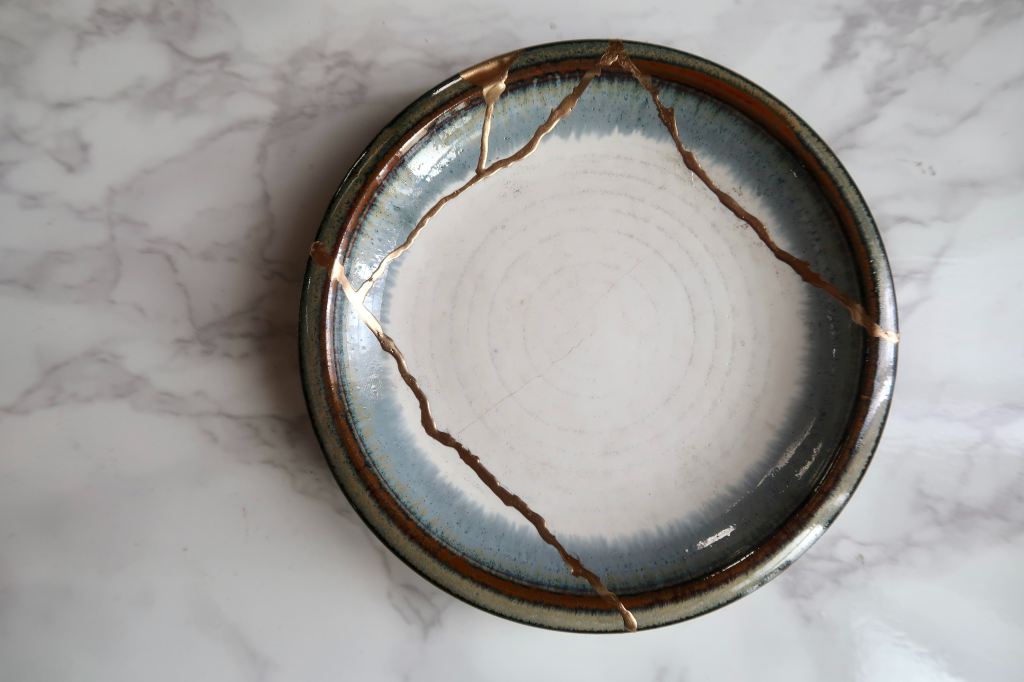
Keeping and maintaining old items can be found in many cultures.
The French have a lovely tradition of passing down things through the generations. The items of one’s grandparents are seen as precious keepsakes, rather than selling for money, or throwing or giving them away. Those things are cherished — décor, furniture, clothes, jewellery — and they all have their personal worth to the family. They are memories of love, warmth and happiness.
Modern Aesthetic Movements
In these days of many aesthetic movements and a throw away culture, repairs and generational items are seen as rather unnecessary. With so many mass-manufactured cheap items (usually plastic) on the market, the quick and easy to manufacture home décor means an Instagram and YouTube perfect home.
YouTube is awash with aesthetic ideas, from the many different ‘Academia’ types to the latest ‘Grand Millennial’. (The latter just looks like a typical English country-style home.)
Though these aesthetic ideals may look pleasing and evoke a desirable lifestyle, it is, nevertheless, a here-today-gone-tomorrow approach. The cheapness and ease of creating them means that they will be removed in a couple of years and replaced with the next fad that takes their fancy. The unwanted items will be thrown away to be added to the pile of rubbish that this planet is turning into. There, alas, lies the problem of these cheap aesthetics. We have moved from fast fashion to fast décor.
I can feel a sympathy for these ideals, as their attractiveness has increased over the pandemic. Staying at home meant making the home feel and look nice to stay in long-term. I can understand the ‘Academia’ aesthetic since it’s similar to my own personal taste, but only similar.
Curating Your Personal Taste
William Morris, of the 19th century Arts and Crafts movement, famously said in 1880,
Have nothing in your houses that you do not know to be useful or believe to be beautiful.
That’s something I strive for and why the modern aesthetics will always fall short, in my opinion. Modern décor is about the right ‘look’ rather than having some sort of connection to the décor objects. They have no real meaning or purpose and so they will be removed easily and without thought.
It takes time to establish your own personal taste. It means getting to know your likes and dislikes. Then you can start collating your own décor and items that have personal meaning.
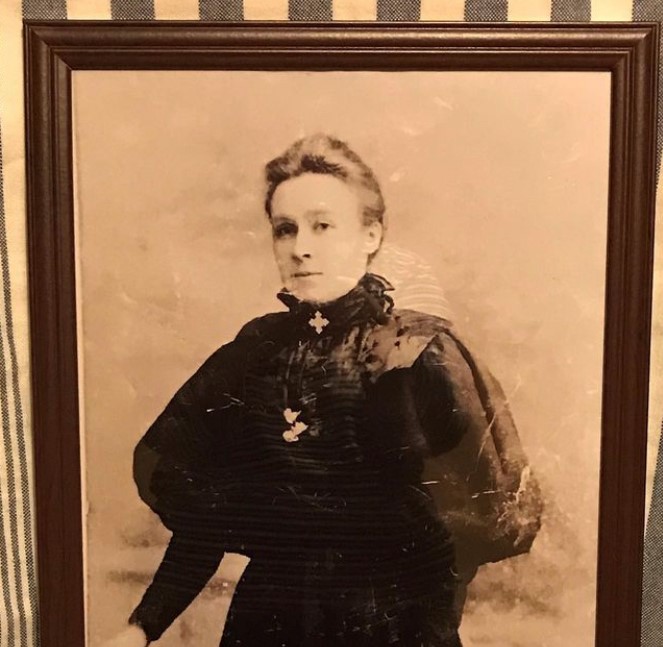
In my own home I have items that I really love; some are old, others are more recent. They range from items that have come down the family, gifts that I have been given, and handmade items. The most recent is an enlarged photo of one of my great grandmothers. She stands proudly in her late-Victorian clothes taken by a studio photographer. She is now framed and ready to hang on the wall.
Other items include a money box that belonged to a great-uncle; a silver-plated tray, teapot, sugar bowl, and spoon that was part of a wedding gift for my great-grandparents; a teaspoon set that was a wedding gift for one of my grandmothers; and a model cart that my Dad made. All are loved and displayed proudly.
This article was inspired, in part, by a video essay by Alice Cappelle.
Copyright © 2023 Charlotte Clark
 Charlotte Clark